
Civil Rights & Constitutional Litigation

New Jersey Civil Rights Lawyer

When police, jails or government agencies violate your rights, you need a civil rights lawyer in NJ who investigates every detail and prepares your case for trial from day one, so the officials responsible cannot hide behind their badge or their institution.

Man in a red jacket sits in low light, looking down against a blue wall with shadows.
Black wheelchair accessibility icon on a white background
Disability Rights & Constitutional Violations
Two simple black linked ring icons on a white background
Police Misconduct & Brutality
Black keyring with three keys on a white background
Jail & Prison Abuse Cases

A New Jersey Civil Rights Attorney Ready to Take On Government Power

Our firm has a proven track record of taking on government agencies, law enforcement and public institutions in high-stakes civil rights cases. We have represented clients in cases involving police brutality, wrongful incarceration, racial discrimination and inhumane jail conditions, and we pursue these cases throughout New Jersey in both state and federal court.


The people and institutions we hold accountable include:

  • Municipal police departments and individual officers
  • County jails, state prisons and correctional officers
  • Private medical companies contracted to provide care inside jails and prisons
  • Prosecutors and investigators who fabricate or withhold evidence
  • The municipalities and counties responsible for training and supervising their employees
Learn more.
When Your Rights Are on the Line, We’re Ready to Fight.

The Civil Rights Violations We Litigate Across New Jersey

Every civil rights case starts with what happened to you: the arrest, the search, the days without medical care, the charge that never should have been filed. These are the violations our New Jersey civil rights attorneys handle most often.

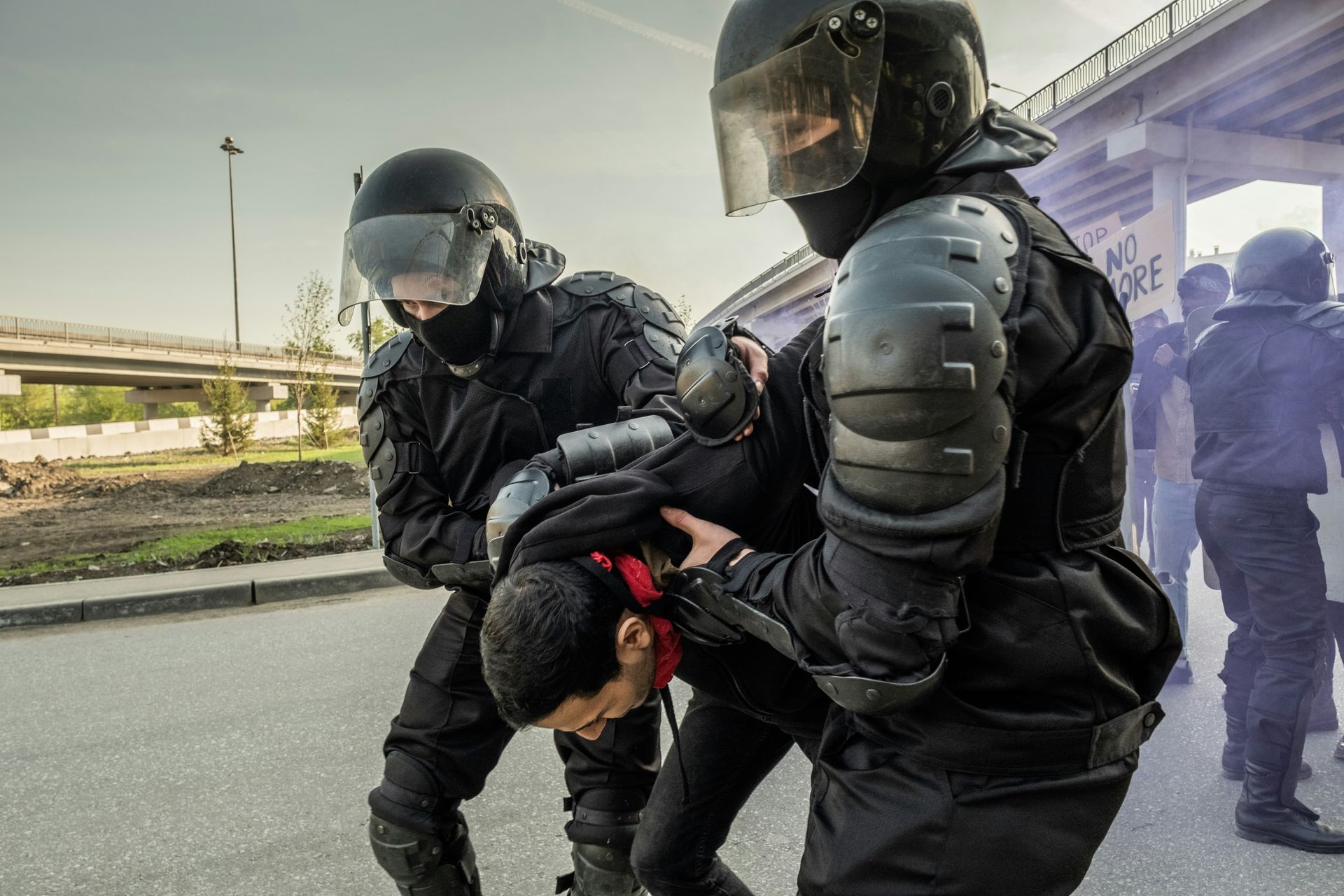
Police in black riot gear detain a person kneeling on a road near an overpass.
Black plus sign on a white background

Fourth or Eighth Amendment & Due Process Violations

The U.S. Constitution and the New Jersey Constitution both limit what government officials can do to you. When those limits are ignored, we step in to enforce them.


The constitutional violations we litigate include:

  • Unlawful searches and seizures under the Fourth Amendment
  • Cruel and unusual punishment of incarcerated people under the Eighth Amendment
  • Denial of due process under the Fourteenth Amendment, including punishment without a fair process
  • Violations of the broader protections found in the New Jersey Constitution


Many of these cases involve more than one violation, and we build each claim so that no part of what happened to you is left out.

Black plus sign centered on a white background

Jail & Prison Abuse Cases

People held in county jails and state prisons keep their constitutional rights. Pretrial detainees are protected by the Due Process Clause of the Fourteenth Amendment, and convicted prisoners are protected by the Eighth Amendment's ban on cruel and unusual punishment. Both are entitled to adequate medical care and reasonably safe conditions.


We take action against jails, prisons, correctional officers and contracted medical providers for:

  • Denial or delay of medical care for serious injuries and illnesses
  • Deliberate indifference to serious medical needs, including ignored requests for help
  • Failure to supervise detainees at risk of harm
  • Unsafe or inhumane conditions of confinement
  • Abuse and excessive force by correctional officers


When someone is seriously harmed or dies in custody, families often have no idea what happened inside. We investigate facility records, medical charts and staffing practices to find out, and we pursue accountability for
jail and prison medical neglect in state and federal court.

Black plus sign on a white background

Wrongful Convictions & Prosecutorial Misconduct

A wrongful prosecution can cost you your freedom, your job and your reputation long after the charges are gone. When a criminal case was built on misconduct, the people responsible can be held to account in a civil lawsuit.


We work to expose and pursue compensation for:

  • Fabricated evidence, including false reports and manufactured statements
  • Withheld evidence that would have supported your innocence
  • Malicious prosecution, where charges were pursued without probable cause


These claims generally become available once the criminal case has ended in your favor, whether through dismissal, acquittal or a conviction being overturned. We review the full criminal record to identify who knew what, and when.

Black plus sign on a white background

Police Misconduct & Brutality

We hold law enforcement accountable for excessive force, racial profiling, unlawful arrests, and civil rights violations. Our firm fights to secure justice and compensation for victims of police abuse.

Proven Civil Rights Counsel Across New Jersey

Taking on a police department or a county jail requires a firm that has done it before and is prepared to go to trial. Our civil rights work is backed by real cases and recognized results.


We prepare every case as if it is going to trial. That means detailed investigation, expert testimony where the facts call for it and courtroom advocacy that makes the other side take your claim seriously from the start.

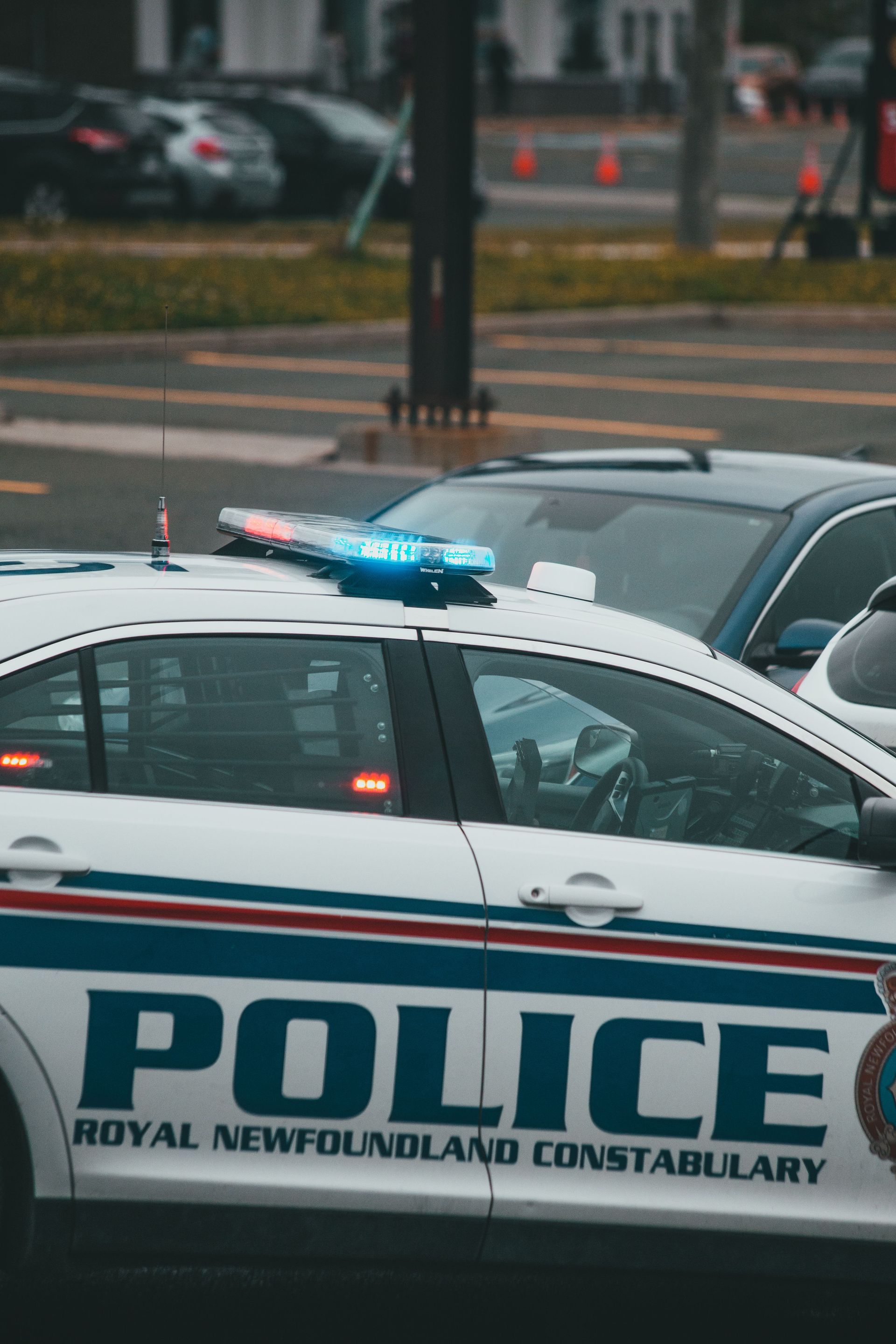
Police car with flashing blue lights parked on a street beside another vehicle.

Two Laws That Hold Officials Accountable in New Jersey

Most civil rights cases in New Jersey are built on a federal law, a state law or both. As your New Jersey civil rights attorney, we evaluate which claims fit your facts and bring every one that applies.

  • Section 1983 Claims

    Section 1983 is the federal law that allows you to sue anyone who, while acting under state or local government authority, violates your rights under the U.S. Constitution or federal law. It covers police officers, correctional staff and other public officials, and it allows a successful plaintiff to recover attorneys' fees.

  • New Jersey Civil Rights Act Claims

    The New Jersey Civil Rights Act, N.J.S.A. 10:6-2, gives you a state-law claim when your rights under the New Jersey Constitution or New Jersey law are violated. In some areas the state constitution reaches further than federal law, and the Act can apply to correctional staff and contracted jail medical providers acting under state authority. It also allows a successful plaintiff to recover attorneys' fees. Read more about our work protecting the rights of incarcerated people in New Jersey.


    Under both laws, a claim can be brought against:

    • The individual officers, guards or officials who violated your rights
    • Supervisors whose direction or failure to act contributed to the harm
    • Private medical companies and staff providing care under a government contract
    • The municipality or county that employs them, when an official policy, custom or failure to train or supervise caused the violation

What a Civil Rights Case Can Recover

A civil rights lawsuit is a way to be compensated for what was taken from you and to hold the people responsible to account. Depending on the facts of your case, recovery can include:

  • Compensatory damages for medical costs, lost income, emotional distress and harm to your reputation
  • Punitive damages against individual officials whose conduct was malicious or reckless
  • Attorneys' fees and litigation costs, which both Section 1983 and the New Jersey Civil Rights Act allow a successful plaintiff to recover


We document the full impact of the violation, from physical injuries to lost work to the lasting effect on your life and family, so the value of your claim reflects all of it.

Deadlines Matter in New Jersey Civil Rights Cases

Civil rights claims have strict filing deadlines, and missing one can end a case before it starts.

2 Years

The general deadline to file a Section 1983 or New Jersey Civil Rights Act lawsuit in New Jersey

90 Days

The notice deadline that can apply to state-law tort claims against a New Jersey public entity or employee

Evidence also disappears quickly. Surveillance video is overwritten, body camera footage and jail records can be harder to obtain over time, and witnesses move on. Calling early gives us the time to preserve the evidence and meet every deadline that applies to your case.

Questions About Civil Rights Cases in New Jersey


  • Can I sue the police for violating my civil rights in New Jersey?

    Yes. You can sue individual police officers who violate your constitutional rights under Section 1983 and the New Jersey Civil Rights Act. Common claims include excessive force, false arrest, unlawful searches and racial profiling. When a department's policies or failure to train caused the violation, the municipality can also be held responsible.

  • How long do I have to file a civil rights lawsuit in New Jersey?

    Section 1983 and New Jersey Civil Rights Act claims generally must be filed within two years. Claims against a public entity under state tort law can require written notice within 90 days, which is far shorter. Because these deadlines depend on the facts and the type of claim, it is important to speak with a lawyer as soon as possible.

  • What is the New Jersey Civil Rights Act?

    The New Jersey Civil Rights Act, N.J.S.A. 10:6-2, is a state law that lets you sue when someone acting under state authority violates your rights under the New Jersey Constitution or New Jersey law. It works alongside federal Section 1983 claims and in some situations offers broader protection. A successful plaintiff can also recover attorneys' fees.

  • Can I sue a county jail in New Jersey for denying medical care?

    Yes. When jail staff or contracted medical providers are deliberately indifferent to a detainee's serious medical needs, claims can be brought under Section 1983 and the New Jersey Civil Rights Act. The county itself can be held responsible when its policies, customs or failure to supervise led to the denial of care. Families of people who died in custody may also have claims.

  • What damages can I get in a civil rights case in New Jersey?

    You may recover compensatory damages for medical costs, lost income, emotional distress and harm to your reputation. In appropriate cases, punitive damages can be awarded against individual officials who acted maliciously or recklessly. Both federal and New Jersey civil rights laws also allow a successful plaintiff to recover attorneys' fees.

  • Can an officer avoid a lawsuit with qualified immunity?

    Sometimes. Qualified immunity can shield an individual officer from paying damages if the right they violated was not clearly established at the time. It does not protect a municipality or county from liability, and it does not apply when an officer's conduct violated rights that were already well defined. How it applies depends on the facts, which is why careful investigation early in the case matters.

Reviews

Michael M.

Munem A.

Mike V.

Kennedy H.

Jeffrey L.

Pat F.

Amy K.

Chris C.

Danielle N.

Michael B.

Jason A.

Sebastian O.

Jason K.

Michelle B.

A P.

Arum M.

Tammy L.

Michael L.

Anonymous A.

Joni C.

Jung K.

Ptdllc

Sean B.

Mike M.

Claudia T.

Laura R.

Annies O.

Jen M.

Jonathan G.

Jubin P.

Kathleen V.

Jose

Eric K.

McQuacy G.

Mike

E M.

Kerri

Your Rights Did Not Stop at the Badge or the Cell Door

If you or a loved one has been harmed by police misconduct, unlawful imprisonment or neglect behind bars, talk with a civil rights lawyer New Jersey families rely on for cases against powerful institutions. Call our Summit office at 908-219-4457 or reach out online to discuss your case.

Give us a call.